
The Court's Fight Against Amarantha
A Court of Thorns and RosesThis flow traces the collective resistance of the courts from hidden endurance to open revolt.
increasing Bearing strength in each event
 decreasing
Bearing strength in each eventdecreasingThe Broken Courts
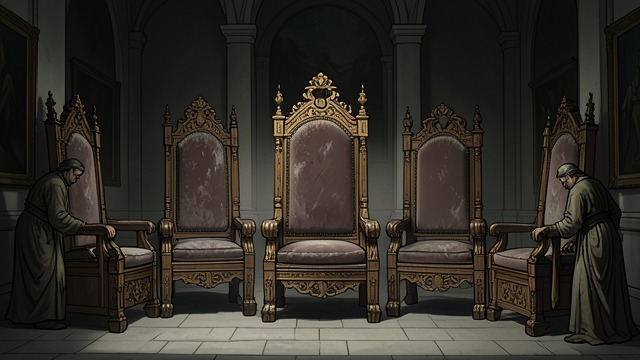
The Broken Courts
Political Captivity
Amarantha confines the High Lords and their courts, retaining only enough freedom to use them as instruments of rule. The Seven High Lords lose sovereignty without losing responsibility for their people.
Fragmented Resistance
Some courts rebel, but the rebellion is crushed. Others cooperate publicly while preserving small acts of defiance.
The political landscape becomes a contest between visible submission and hidden refusal.
The Failed Rebellion
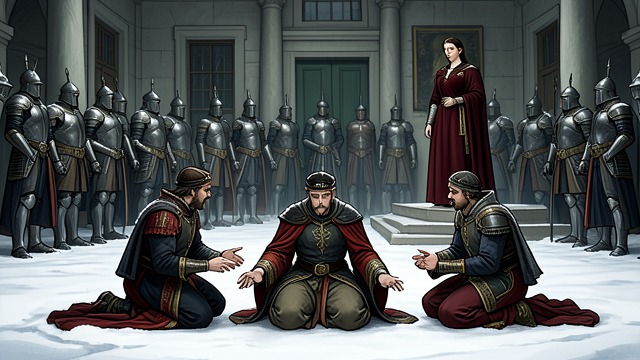
The Failed Rebellion
Three Courts Rise
The Day Court, Summer Court, and Winter Court attempt to resist Amarantha and seek aid beyond Prythian. Their effort never becomes a full war because Amarantha moves first.
Exemplary Punishment
She executes three High Lords and many family members, binding the survivors more tightly to fear.
The failed rebellion explains why later resistance is indirect. Every court knows that courage without a strategy can produce only more hostages.
The Spring Court's Isolation
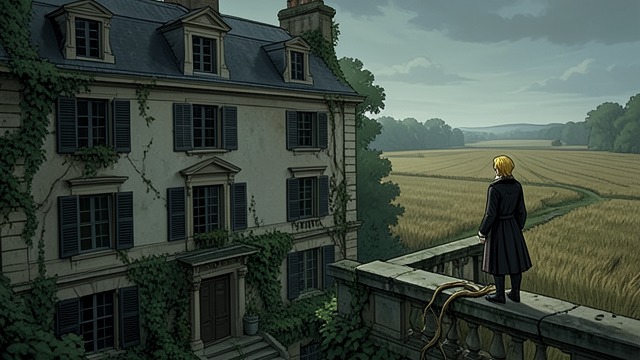
The Spring Court's Isolation
Empty Lands
The Spring Court has lost most of its inhabitants, and its manor operates with only a small staff. The emptiness is a consequence of fear, migration, and Amarantha's pressure.
Border Defense
Tamlin and his sentries contain dangerous creatures without the full power once available to them. Every victory is temporary.
The isolated court appears peaceful because it is exhausted. Its quiet is the sound of a resistance conserving strength.
The Courts Gather
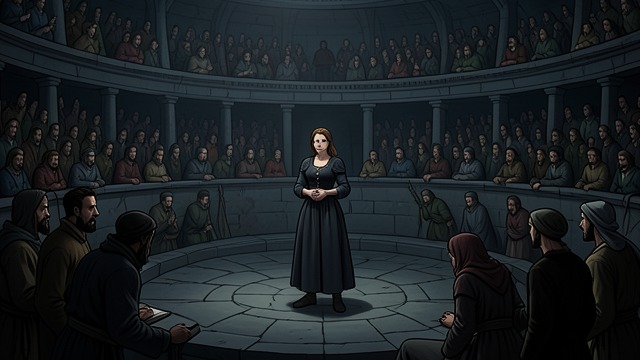
The Courts Gather
Forced Spectacle
Amarantha summons High Lords and subjects to witness Feyre's trials. The public arena turns political submission into entertainment.
Silent Solidarity
As Feyre survives, the crowd's reactions change from betting and mockery to mourning gestures and guarded support. The courts begin to recognize a possible opening.
The spectacle becomes a clandestine assembly. Amarantha's attempt to display total control instead gives the oppressed a shared witness.
The Collective Break
The Collective Break
Open Intervention
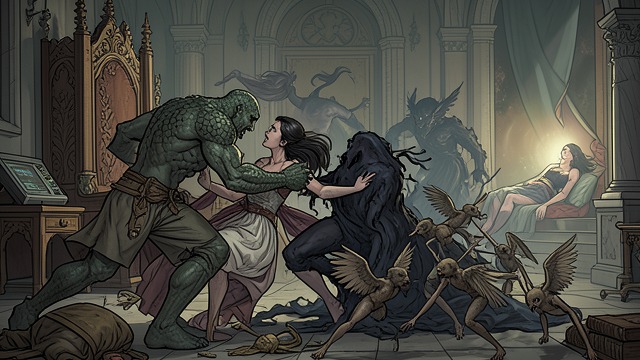
When Tamlin attacks Amarantha, faeries and High Fae block the Attor and her guards. The court no longer accepts the queen's protection as legitimate.
Political Collapse
The High Lords contribute power to restore Feyre, and the court's allegiance shifts visibly. Amarantha's authority disappears before her body is removed.
Resistance succeeds because private defiance converges at one moment. The liberation is collective even though Feyre's sacrifice opens the way.
after Amarantha's conquest
about forty years before Feyre's arrival
the months before Feyre's arrival
during Feyre's trials
the moment after Feyre's resurrection
